Gas Turbine Inlet Air Cooling System
Aras Power Systems designs and supplies gas turbine inlet air cooling systems that recover the power gas turbines lose on hot days. By lowering compressor inlet air temperature toward the ambient wet-bulb temperature, the system increases air density and restores turbine output, with the greatest gains in hot, dry climates.
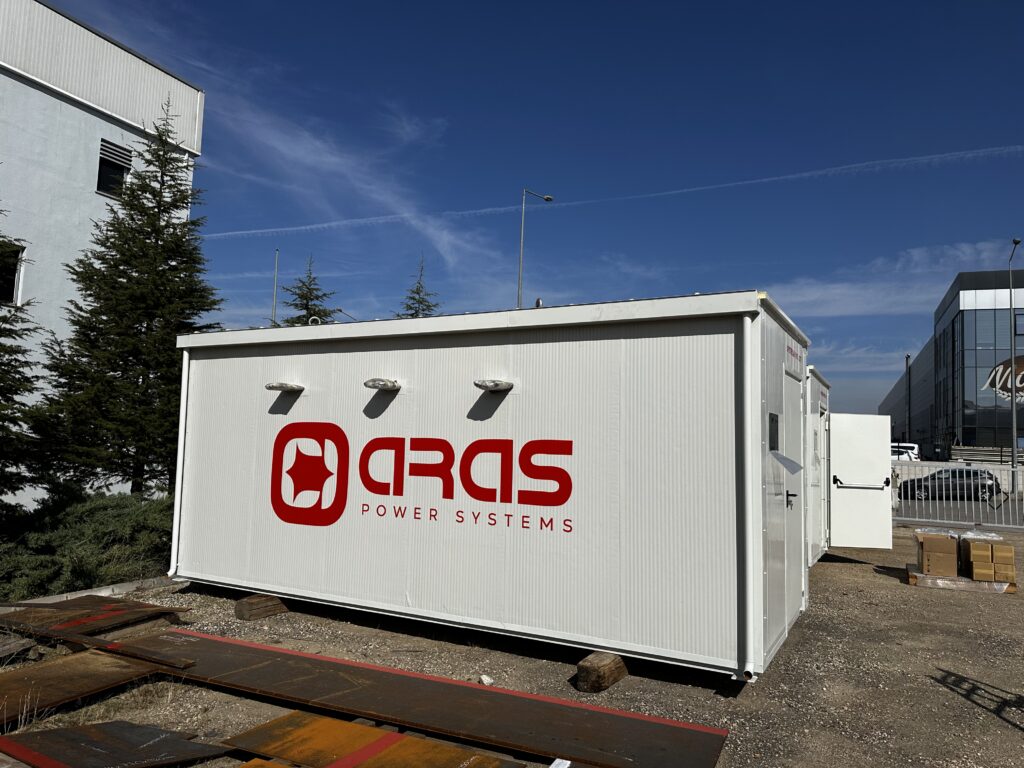
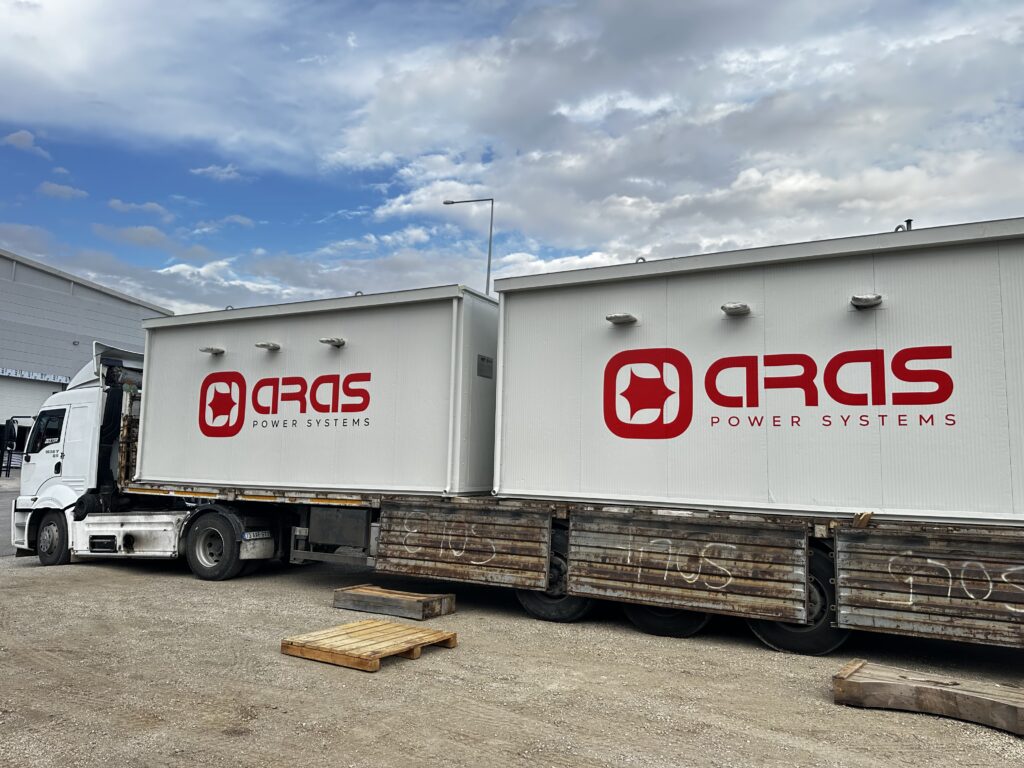
Each system is engineered with corrosion-resistant 316L stainless-steel components, intelligent redundant automation and a containerised pump-skid enclosure, can be retrofitted to existing turbines, and is confirmed for performance and sizing on a project-specific basis.
Codes & standards
Aras Power Systems designs and engineers gas turbine inlet air cooling systems to recognised piping, electrical, instrumentation and safety standards, integrating proven cooling technologies into a single, reliable package.
- Gas turbine inlet air cooling
- Power augmentation
- Evaporative cooling & fogging
- ASME B31.1 piping
- 316L stainless steel
- Redundant PLC automation
Our Services
Our engineering services for gas turbine inlet air cooling systems are focused on restoring hot-day turbine output with a reliable, site-specific and retrofit-ready package. From concept selection to detailed engineering, supply, automation and commissioning support, Aras Power Systems delivers integrated solutions matched to the turbine model, ambient conditions and plant operating targets. We offer:
Performance assessment and concept design
- Hot-day power recovery analysis: evaluating site ambient temperature, humidity, turbine model and operating profile to estimate recoverable power gain.
- Technology selection: selecting and integrating suitable inlet-cooling technologies, including evaporative cooling and high-pressure fogging, according to climate and plant requirements.
Mechanical and piping engineering
- 316L stainless-steel wetted parts: engineering corrosion-resistant piping, manifolds and nozzle arrangements for long service life.
- Moisture-management design: incorporating compressor-protection measures to prevent water carryover and ensure safe operation.
Automation and control
- Redundant PLC-based control: implementing intelligent staged capacity control with HMI interface and Auto / Manual / Local operation modes.
- Safety and shutdown logic: integrating ESD and automatic shutdown functions based on pressure, flow, humidity, temperature and system status.
Package supply and installation support
- Containerised pump-skid enclosure: supplying a compact, climate-controlled equipment package for reliable field operation.
- Retrofit integration: adapting the system to existing gas turbine air-intake systems after site assessment and interface review.
Water treatment and filtration
- Demineralised / RO water basis: designing the system around suitable water quality to protect nozzles, piping and turbine components.
- Multi-stage filtration: integrating filtration stages to maintain spray quality and reduce clogging risk.
Documentation and commissioning support
- Complete technical documentation: providing drawings, data sheets, control philosophy, inspection records and operating guidance.
- Commissioning assistance: supporting functional checks, staged operation tests and performance verification on site.
Technical specification
| Cooling method | Advanced multi-stage evaporative cooling, optimised for maximum hot-day power recovery |
|---|---|
| Primary benefit | Recovers output lost on hot days by lowering compressor inlet air temperature |
| Wetted materials | 316L stainless steel for corrosion resistance and long service life |
| Compressor protection | Integrated moisture management prevents water carryover to the turbine |
| Capacity control | Staged control for precise, demand-matched cooling |
| Automation | Redundant PLC-based control with HMI; Auto / Manual / Local modes; ESD safety |
| Instrumentation | Industrial-grade pressure, flow, humidity & temperature instrumentation |
| Packaging | Containerised, climate-controlled equipment enclosure |
| Water supply | Demineralised / RO feed with multi-stage filtration |
| Retrofit | Installable on existing gas turbine air-intake systems |
| Performance, pressure & sizing | Project-specific — confirmed by Aras engineering on request |
All ranges are a configurable engineering design envelope, finalised against turbine model, ambient data, site conditions and applicable project requirements.
Applications
- Simple-cycle and combined-cycle gas turbine power plants
- Power-output augmentation during hot, high-demand periods
- Retrofit of existing gas turbine air-intake systems
- Hot and dry climates seeking maximum output recovery
Frequently asked questions
How much extra power can inlet air cooling add to a gas turbine?
Cooling the inlet air toward the wet-bulb temperature restores output that gas turbines lose in hot weather, because cooler air is denser and increases mass flow. As a rule of thumb, output falls roughly 0.6–0.8% for every 1 °C rise in ambient temperature, so recoverable gains are largest in hot, dry climates. Aras calculates the expected gain for your specific turbine and site as part of the proposal.
Which inlet air cooling technology does Aras use?
Aras selects and integrates the most effective proven inlet-cooling technologies for each project, balancing cooling performance, operating range and water use for your turbine and climate. The optimal configuration is engineered case by case and detailed in the project proposal.
Can the system be retrofitted to an existing gas turbine?
Yes. The system is supplied as a modular package that integrates with the existing air-intake system; a site assessment confirms the exact scope, interfaces and installation approach.
What materials, controls and safety features are used?
Wetted components use 316L stainless steel for corrosion resistance, with a redundant PLC, HMI, Auto / Manual / Local control modes and ESD / automatic shut-down functions. Detailed component specifications and performance data are shared on request or under NDA.
Request a Preliminary Assessment
Prefer to start now? Enter your turbine and site data below and we will follow up with a preliminary estimate of your expected inlet-temperature reduction and power gain.